
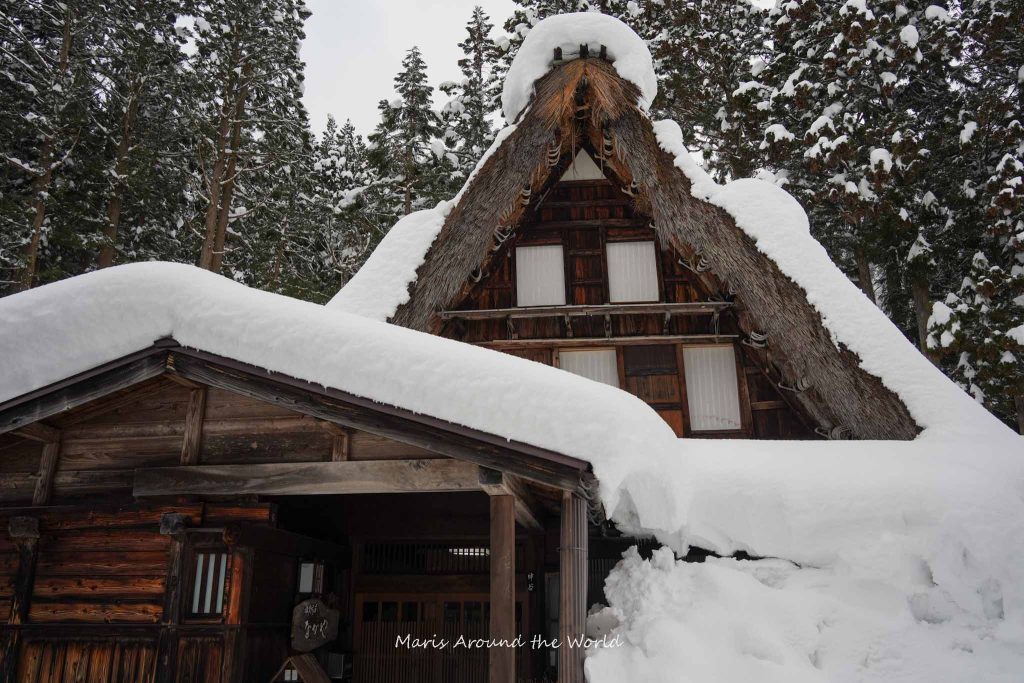
Ainokura Gassho-zukuri Village is a small, remote village located in the mountains of Toyama, Japan. I call it Shirakawago’s “little cousin” since, while it too features beautiful wooden houses with pitched thatched roofs, it is much smaller and less crowded.
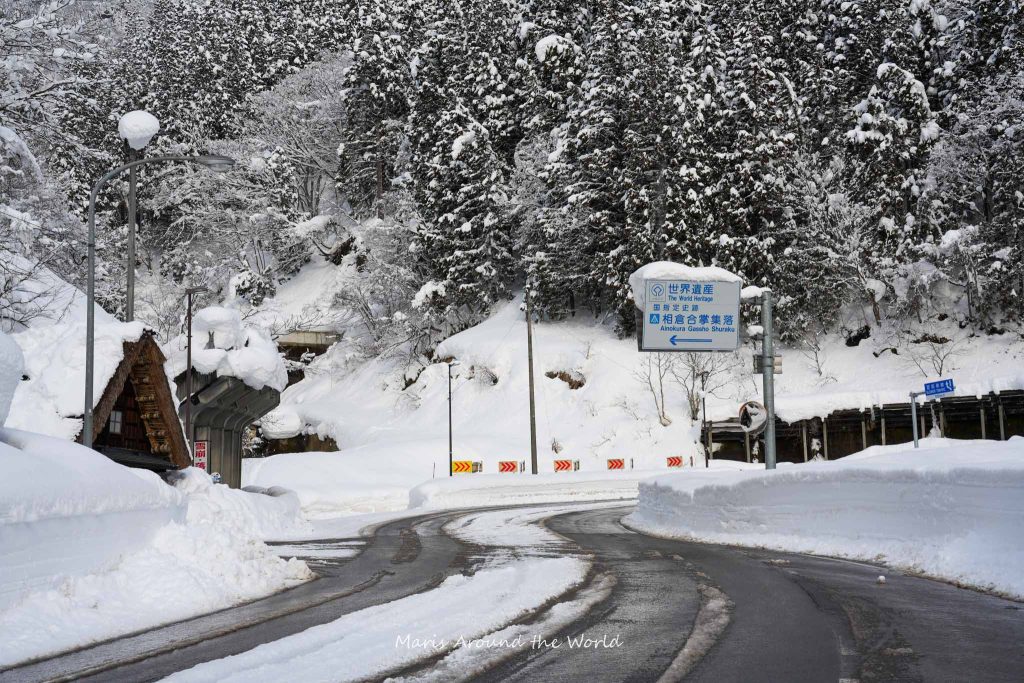
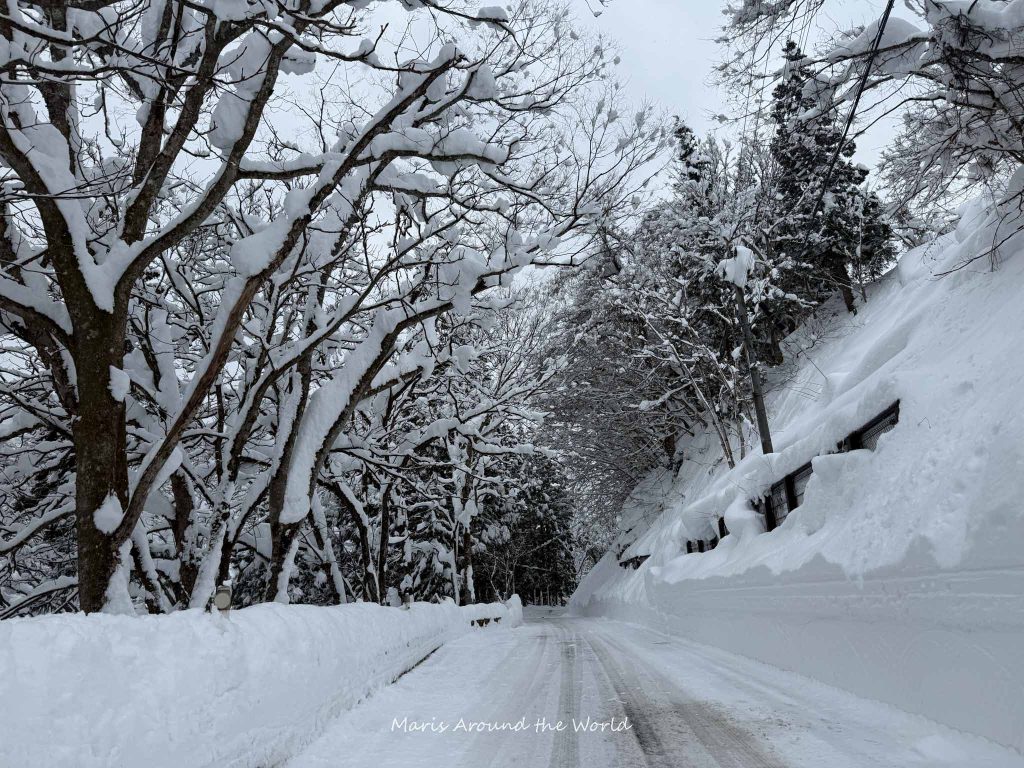
Winter is a perfect time to visit this UNESCO World Heritage Site, since the pathways and roofs become piled with snow, making for a lovely scenic landscape.
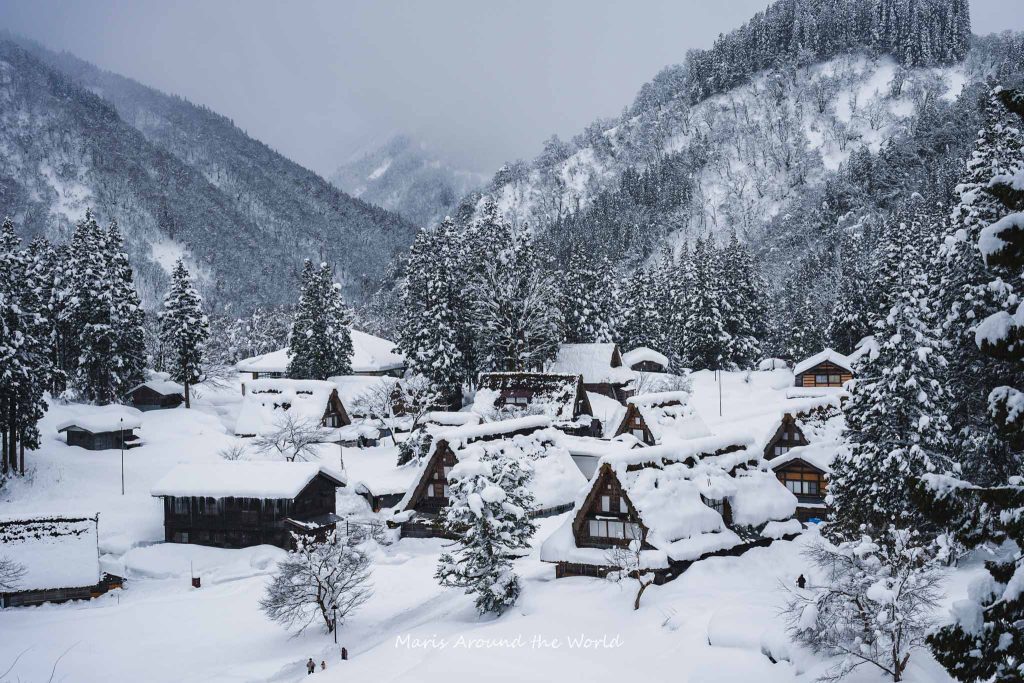
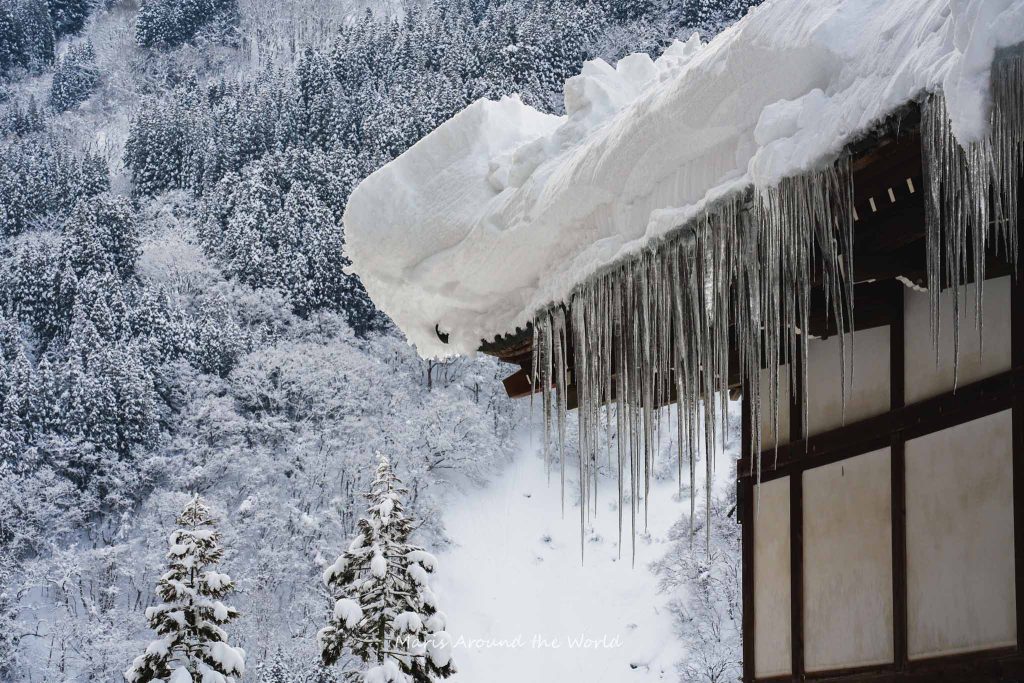
Looking for a serene spot to spend a wintery getaway in Japan? Keep reading to learn more about Ainokura!
This post contains affiliate links, which means I may receive a commission if you purchase through my links, at no extra cost to you. Please read the full disclosure for more information.
Getting to Ainokura Gassho-zukuri Village
Ainokura is located in Nanto, Toyama, close to the Sho River. Since it’s situated in a remote area, the best way to travel there is by bus or car.
Located 45 minutes north of the popular destination, Shirakawago, both places can be visited in the same trip (or day) if planned correctly.
Several of the major bus departure points include Takaoka Station, Shin-Takaoka Station, and the Shirakawago Bus Terminal.
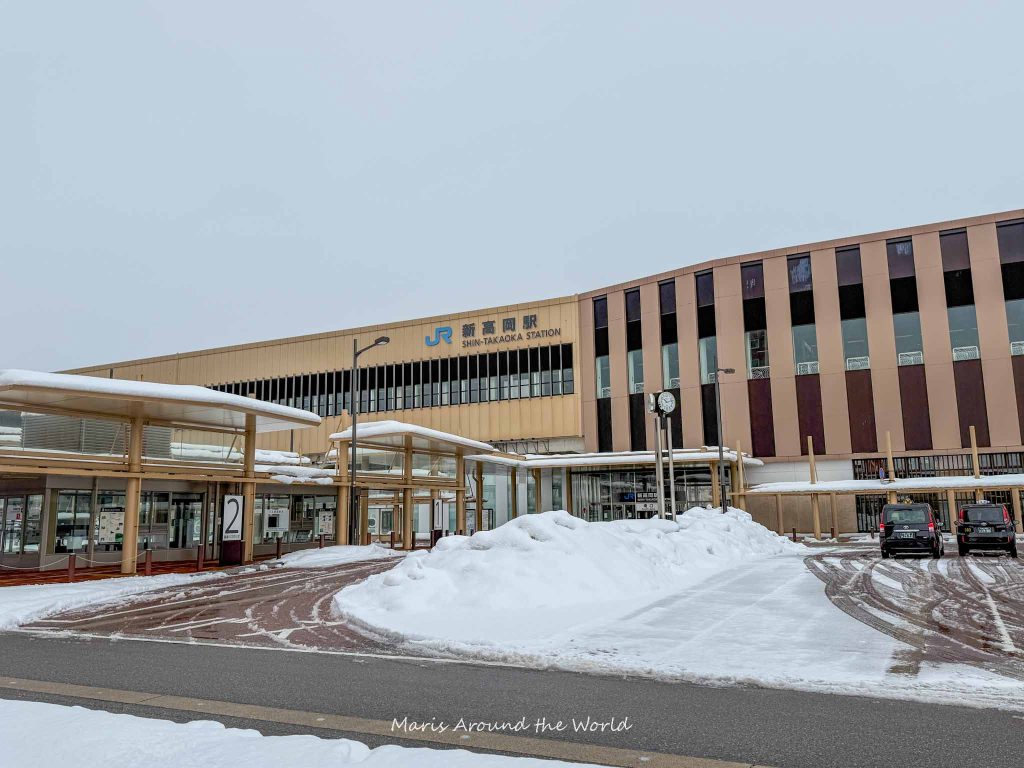
I traveled from Kyoto to Shin-Takaoka Station, which took about 2 hours and included a transfer at Tsuruga Station.
JR Trains can be booked from the JR website. You can look into the JR Rail Pass if you plan on using multiple trains during your Japan visit, as this pass could save you some money. (Note that ONLY buying from the official site allows you to make reservations before arriving in Japan.)
From Shin-Takaoaka Station, I rode the World Heritage Bus to Ainokura.
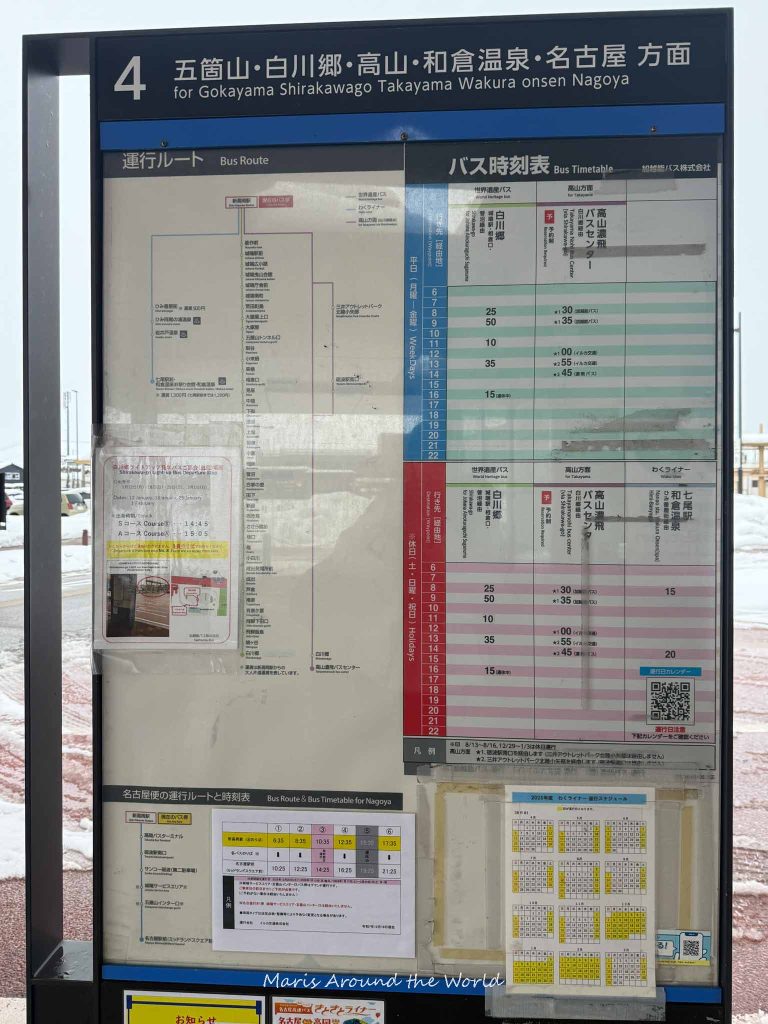
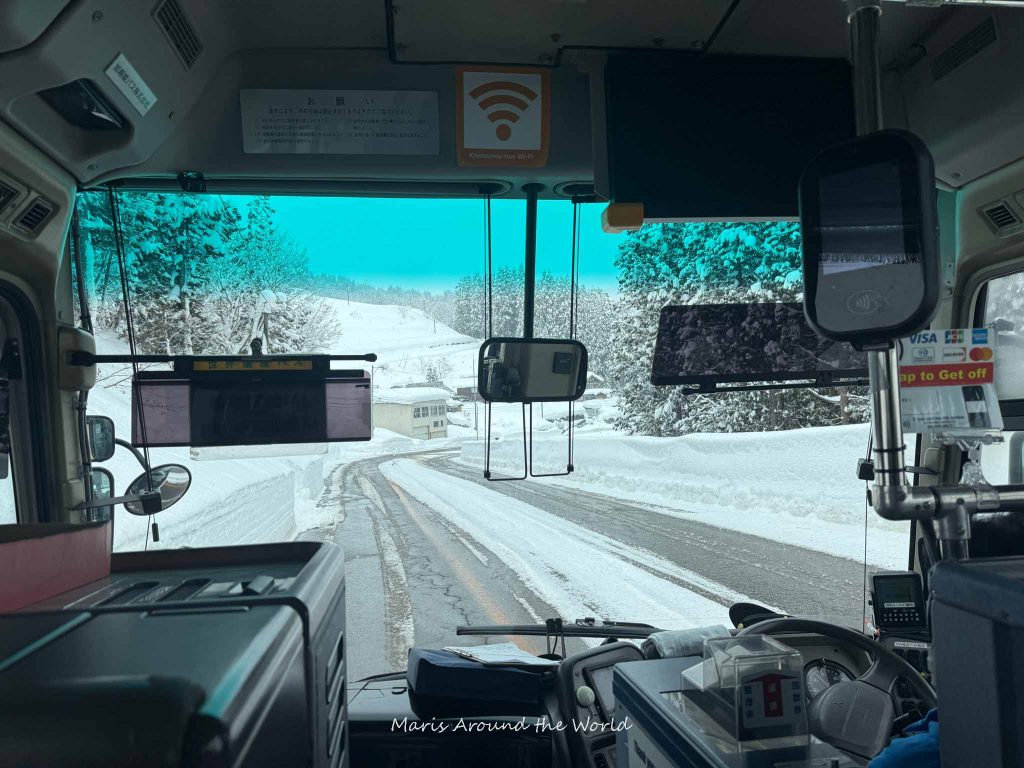
Tickets for the bus can be reserved online up to 1 month in advance.
The bus ride takes just over an hour and costs 1,100 yen for an adult.
Since there are only a few flights a day, check the timetable to plan your trip accordingly.
What to Do in Ainokura Village
Ainokura is very small, but this quaintness lends to its charm!
Grab a Bowl of Soba
Once you arrive, you’ll probably want to grab a bite to eat.
There are only two restaurants in the village, so you can take your pick of either.
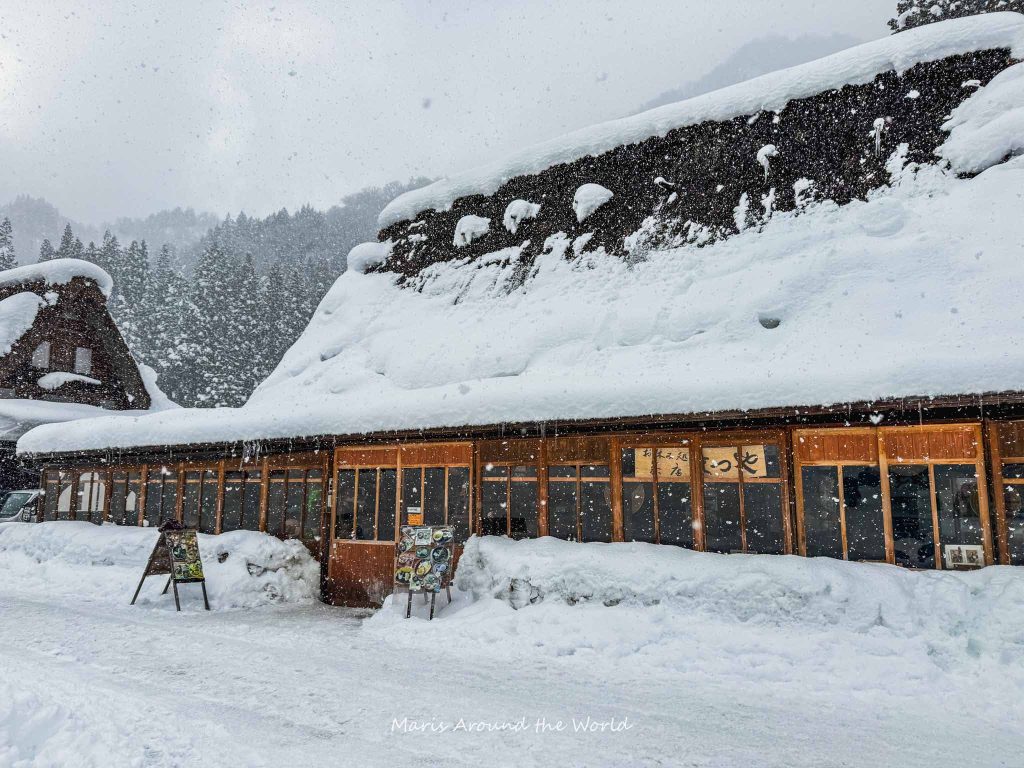
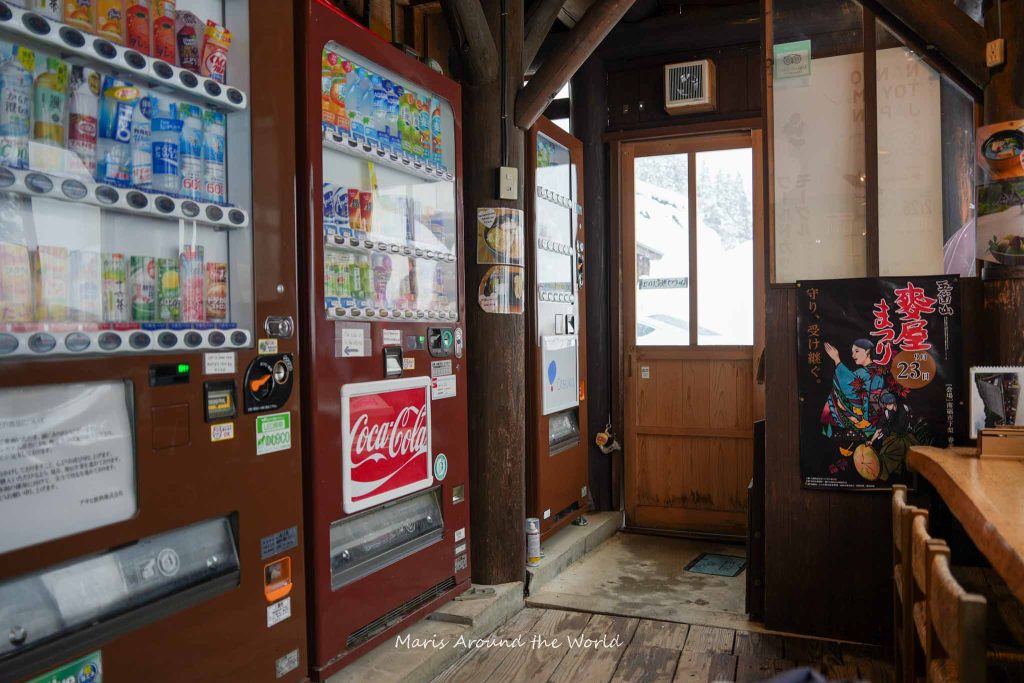
Matsuya specializes in soba, udon, and tempura. There is also an attached shop that sells snacks and souvenirs. Snow equipment can be rented here as well.
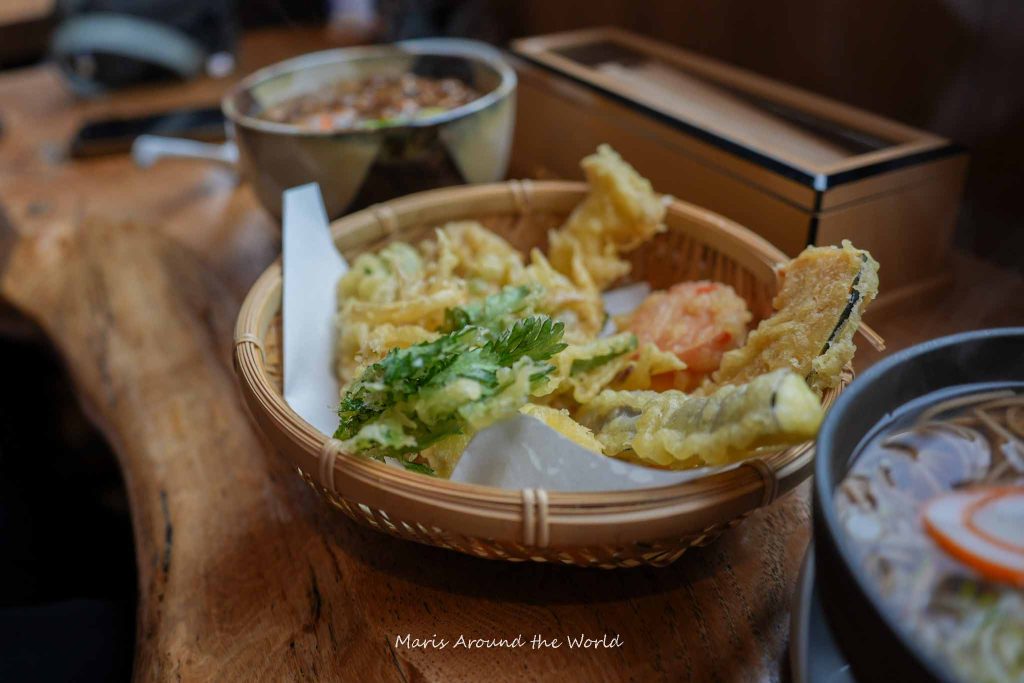
The other restaurant is called Gasshochaya Ainokuraya. The menu here is similar to Matsuya’s, with mainly soba and udon.
Take in the View
After eating, make your way to the Ainokura Village Observation Deck for a view that overlooks the buildings. It’s a short climb, but it can be slippery with ice. Take along some strap-on shoe spikes like these to make your life easier.
Enter the Gassho-zukuri Buildings
After seeing the village from above, head back down and step into the thatched buildings open to visitors.
Yusuke is a traditional gassho-zukuri style building that serves as a museum with multiple levels.
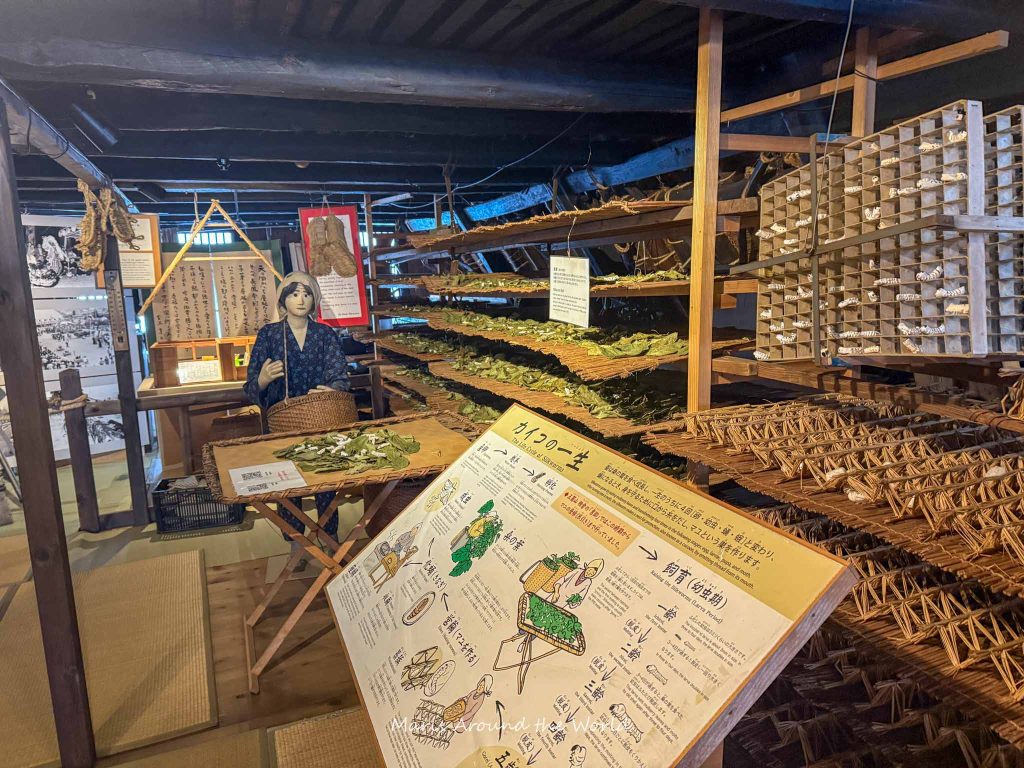
Climb the steep steps and peruse the exhibition pieces on the second floor to learn how silkworms were raised and how silk was produced in the region.
After walking around, warm up with a cup of tea next to the hearth.
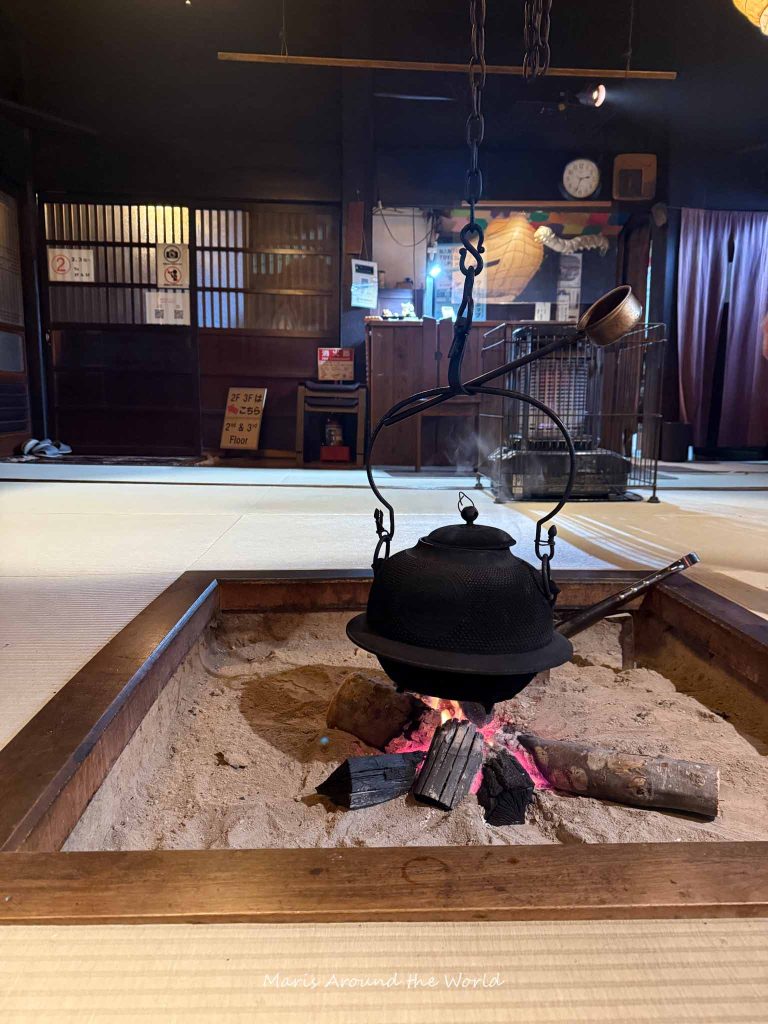
Admission for adults is 500 yen. See opening hours and operating days on the main webpage.
The Ainokura Traditional Industry Center is another place you can enter and learn about the history of Ainokura and its cultural traditions.
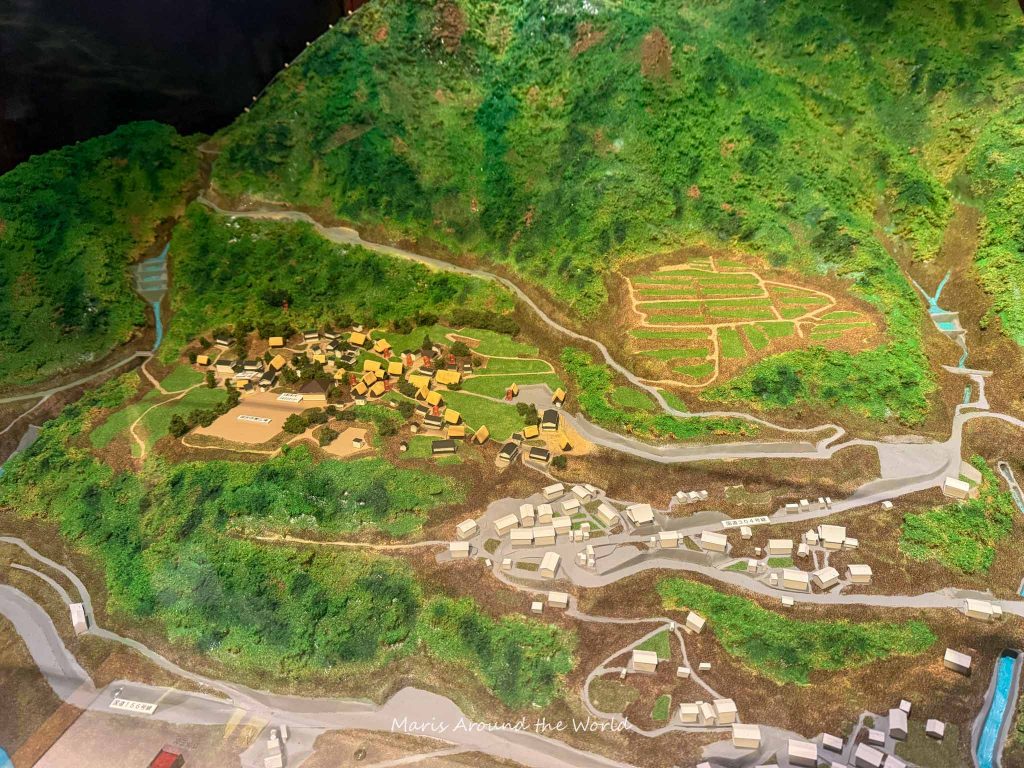
Play and listen to traditional instruments, and see a diorama of the village.
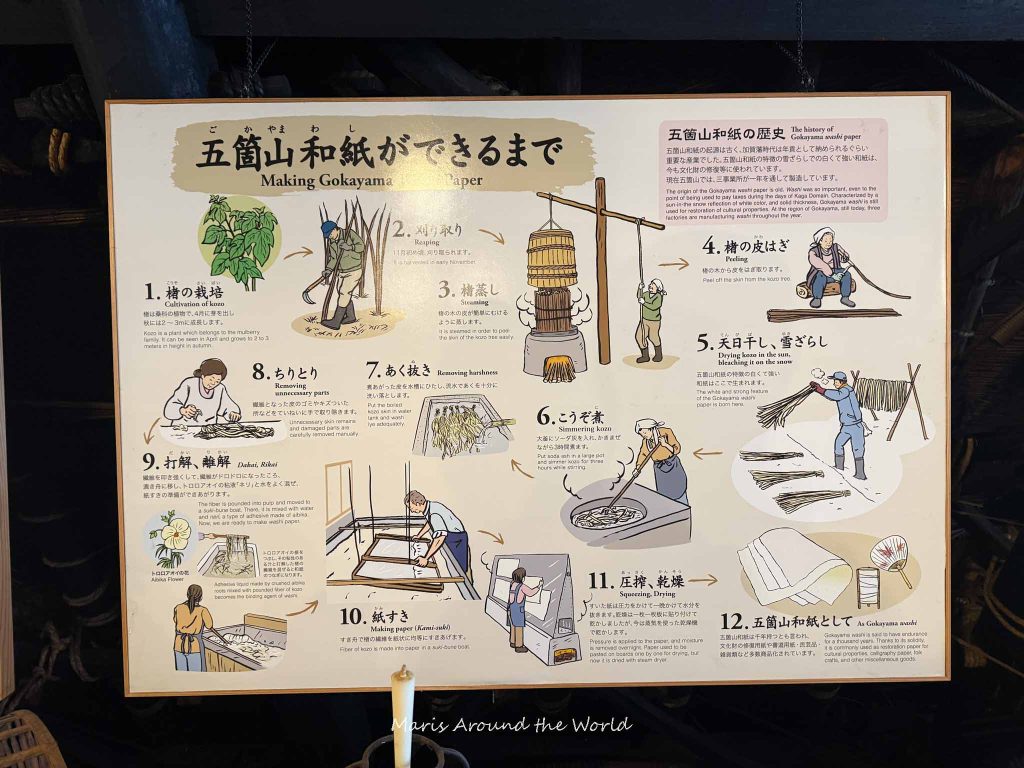
There is also a Washi Paper Workshop, which runs washi paper-making experiences. It was closed on the day I visited.
Since there aren’t an overwhelming number of things to do in the area, Ainokura is best enjoyed leisurely.
Staying Overnight in Ainokura
A handful of accommodations open their doors to overnight visitors.
Minshuku Yomoshirou and Minshuku Goyomon can be booked online via booking.com. Other facilities must be contacted directly by phone or email.
I stayed at Nakaya, which took reservations by phone (in Japanese). Even though the outside weather was snowy and cold, the rooms inside were cozy with a gas heater and thick blankets.
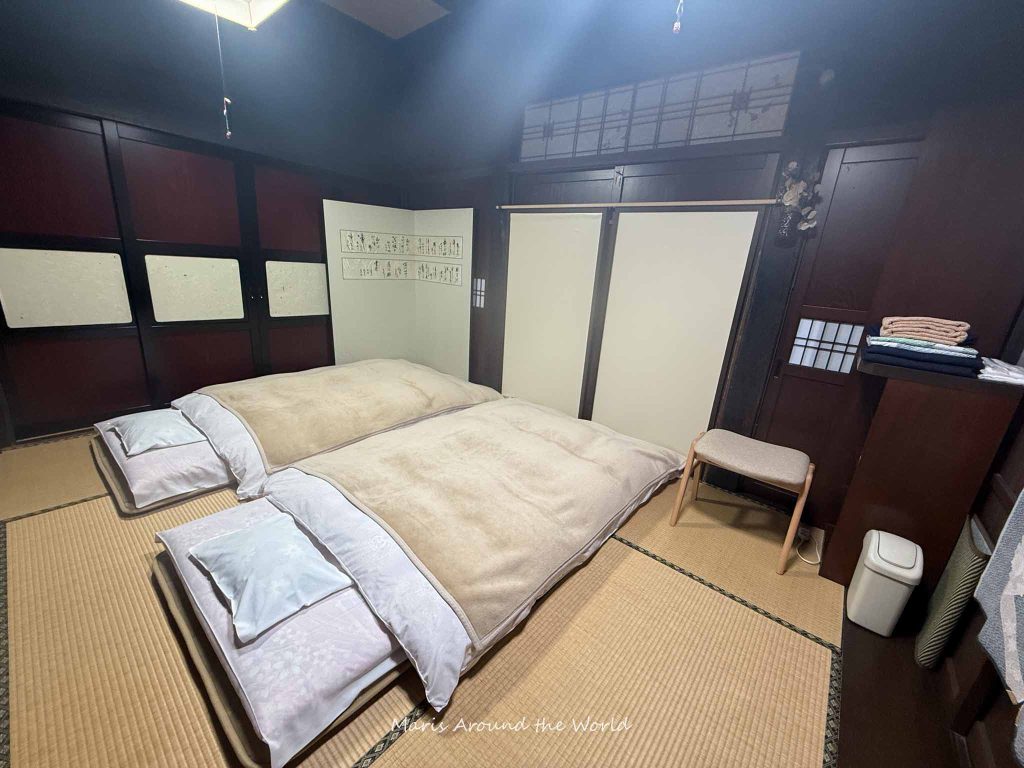
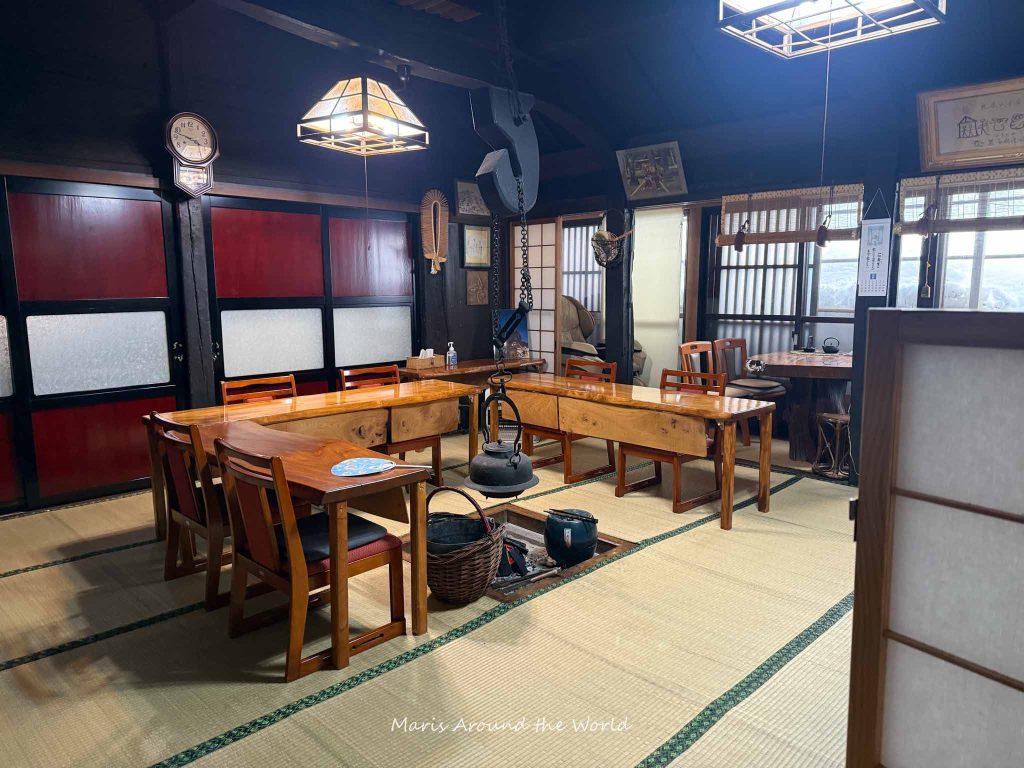
The beds were traditional futon-style beds, and there was a shared bathroom. Dinner and breakfast were served around a homey sunken hearth.
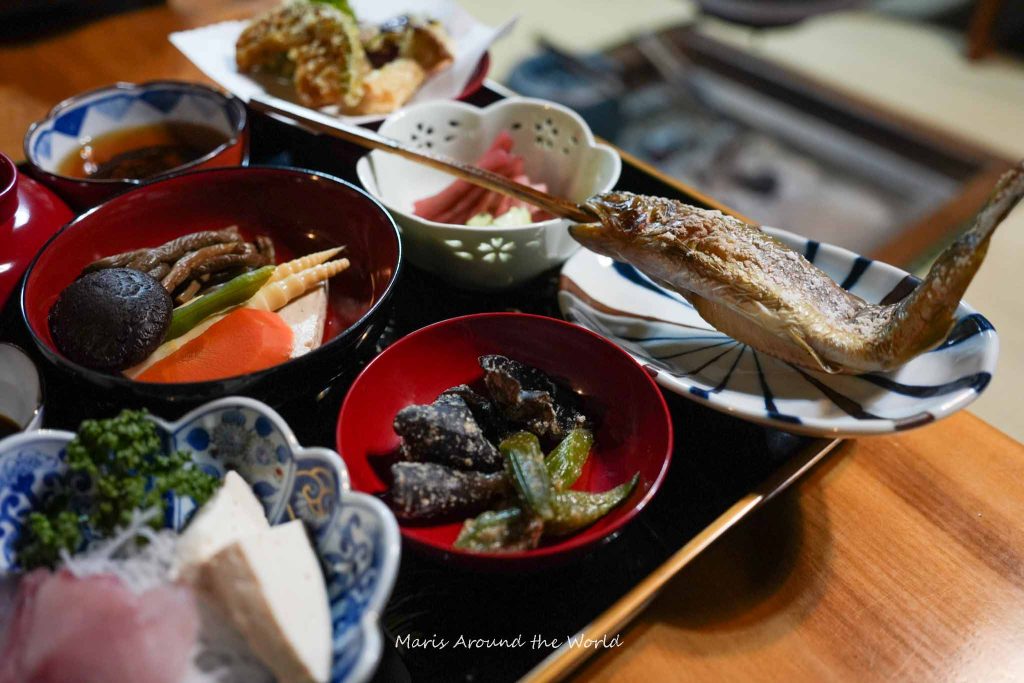
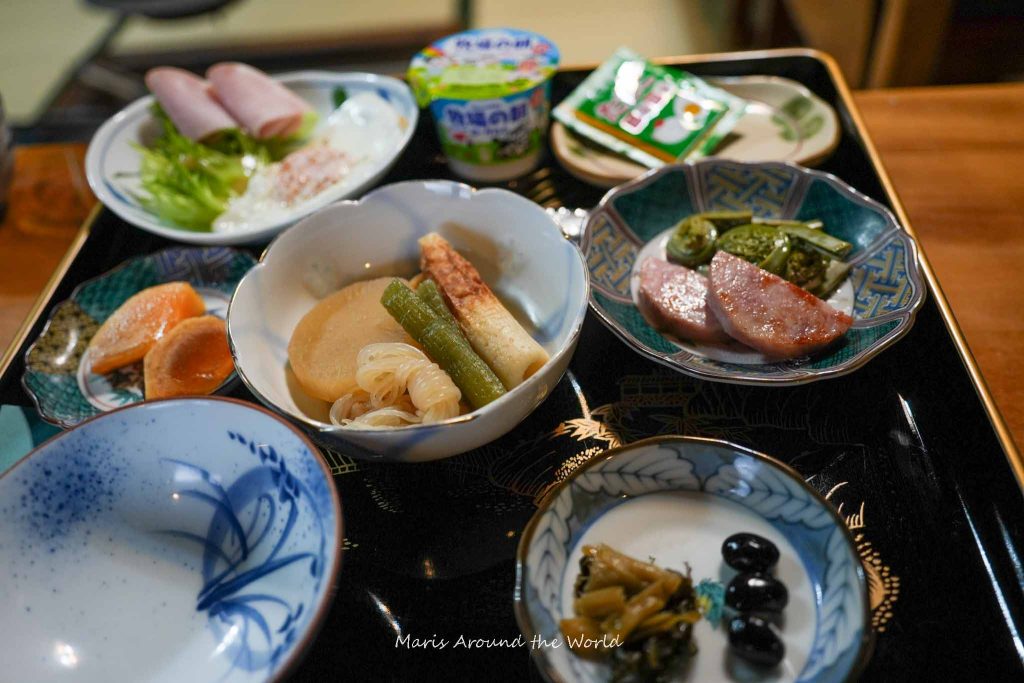
Since there are no restaurants open in the evening or early morning, make sure to book your stay with meals.
Ainokura Compared to Shirakawago
So, how is Ainokura different from Shirakawago?
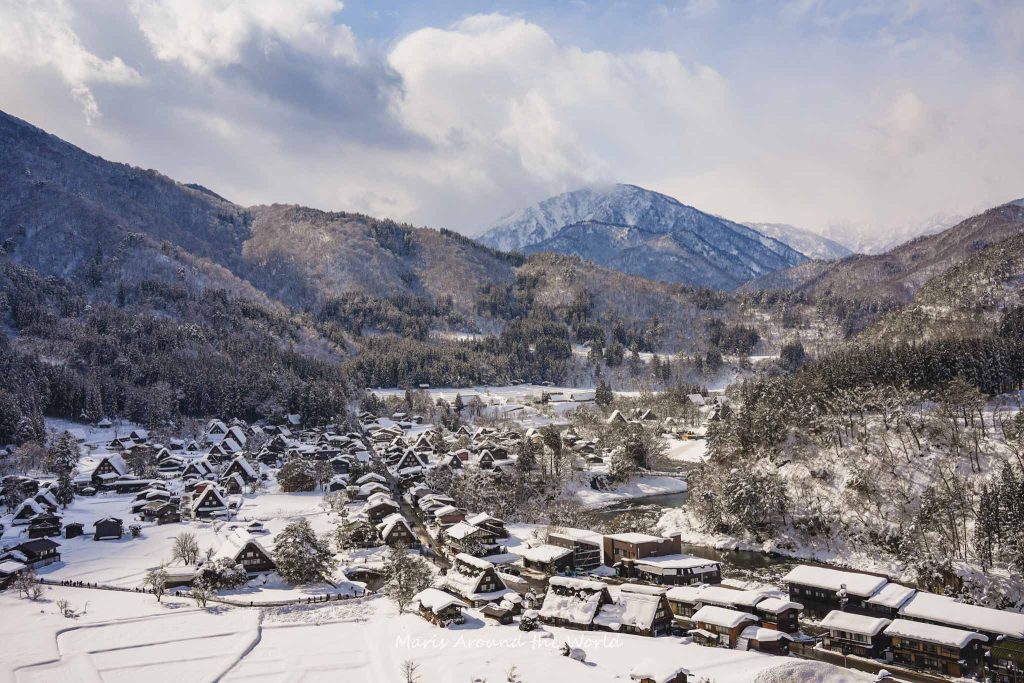
While both are little villages that feature thatched-roof buildings, Ainokura is much smaller, with fewer than half the buildings of Shirakawago.
The compact size makes for a more intimate stay, but there are fewer activities, shopping opportunities, and restaurant options.
If you have the time, I recommend seeing both places over two days. For example, visit Shirakwago, stay the night, then visit Ainokura the next day. Or vice versa: stay overnight in quiet Ainokura, then venture to Shirakawago to feel the bustle of the more touristy area.
The bus ride between Shirakawago and Ainokura is only an hour long, so if you plan accordingly, both places can be visited.
Learn more about Shirakawago here: Shirakawa-go Village in Japan’s Northern Alps.
Other Things to Do Nearby
Aside from Ainokura, here are other places you can visit in the area.
Shirakawa-go: As mentioned above, Shirakawa is a larger and livelier gassho-zukuri village that is only an hour away from Ainokura. Visit here to see a stunning view of the mountains and buildings, and try Gifu dishes like meat cooked on a magnolia leaf. Learn more about Shirakwa-go in this article.
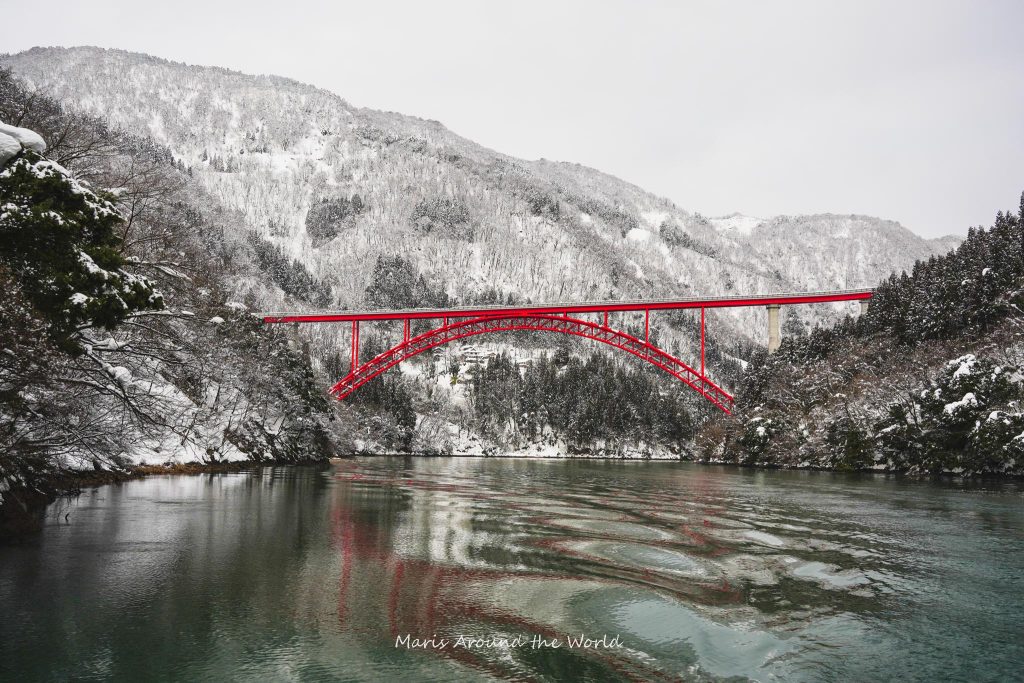
Shogawamachi: This area is a 40-minute car ride from Ainokura. Here you can ride the Shogawa Gorge Sightseeing Boat and enjoy a quiet stay in Toyama. Learn more here.
Takayama: Past Shirakawago in the mountains of Gifu is Takayama, another place full of historic Japanese charm. Walk the Sanmachi Traditional Preservation Area, and experience unique food and crafts (particularly Hida wagyu beef). Takayama, Japan – Where Historic Edo Charm Remains

Kyoto: With quick access to Shin-Takaoka Station via JR trains, you can easily travel to Kyoto and greater Japan. One unique activity I recommend in Kyoto is a knife-making tour! It is perfect for travelers who enjoy hands-on experiences as well as swordsmithing and katana history. See a video of the tour below.